
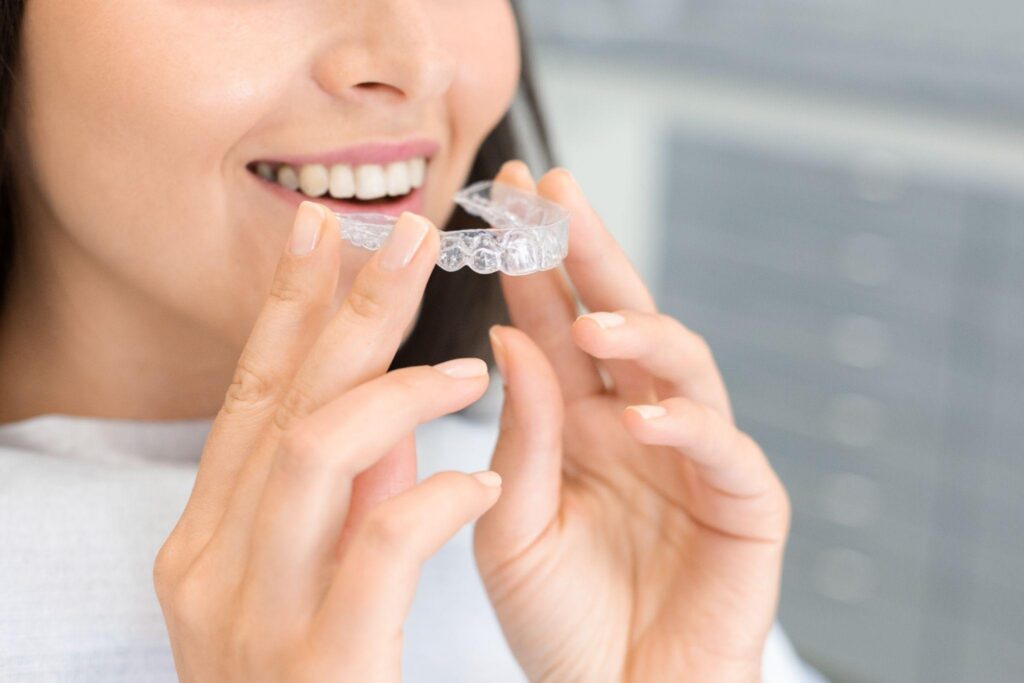
Aligners have conquered orthodontics in a matter of just 30 years since their introduction. For a time they were even available from the UPS driver until the AAO’s actions pretty much ended that and required an orthodontist or dentist to prescribe aligners and supervise their use. Virtually every dentist with a pulse is using them. Are they without negatives? Can they cause damage if not used properly? What kind of damage? How much knowledge does it take to use them properly? How does a patient know if the person using aligners knows how to use them properly? It sounds like good questions to have answers to before going down the aligner path.
Answers to these questions become even more important as many dentists are now using aligners to treat airway problems. Good intentions alone don’t necessarily produce good outcomes. Many people are now using MARPE to expand the arches laterally which may help the airway and also produce more space for the tongue. Doing this produces space between the teeth. Closing that spacing – even with aligners – can bring the teeth back in the face which can actually limit proper placement of the tongue to the palate at rest.
It is also possible to align teeth and cause the front teeth to touch before the back teeth. This forces the lower jaw back into the TMJ area. Such a force is never good and can produce pain patterns. Leaving patients with these problems long term can result in permanent damage to the joints that is not easily fixed. Getting a total joint replacement isn’t fun, and should be avoided if possible by not doing things which invite problems.
Many aligner treatments begin with a process of narrowing the teeth to avoid advancing them forward. The dentist has been taught that it is unwise to move teeth forward because that can cause recession and/or tooth loss. They ignore seven articles in the refereed literature stating that this does NOT normally occur in the process. Narrowing the teeth has become very popular as part of aligner treatment. The spaces between the teeth are then closed with the aligners. This can retract the front teeth which can reduce the tongue space/airway. Do you question that such small movements could cause or at least contribute to a breathing problem? I’ve been contacted by people from around the world who have had interproximal reduction done and struggle to breathe as a result. Narrowing of the teeth is not reversible and the consequences can be devastating.
Know what you are getting into before you start the aligner journey. The seeming ease of clear plastic trays making a beautiful smile may hide potential risks.